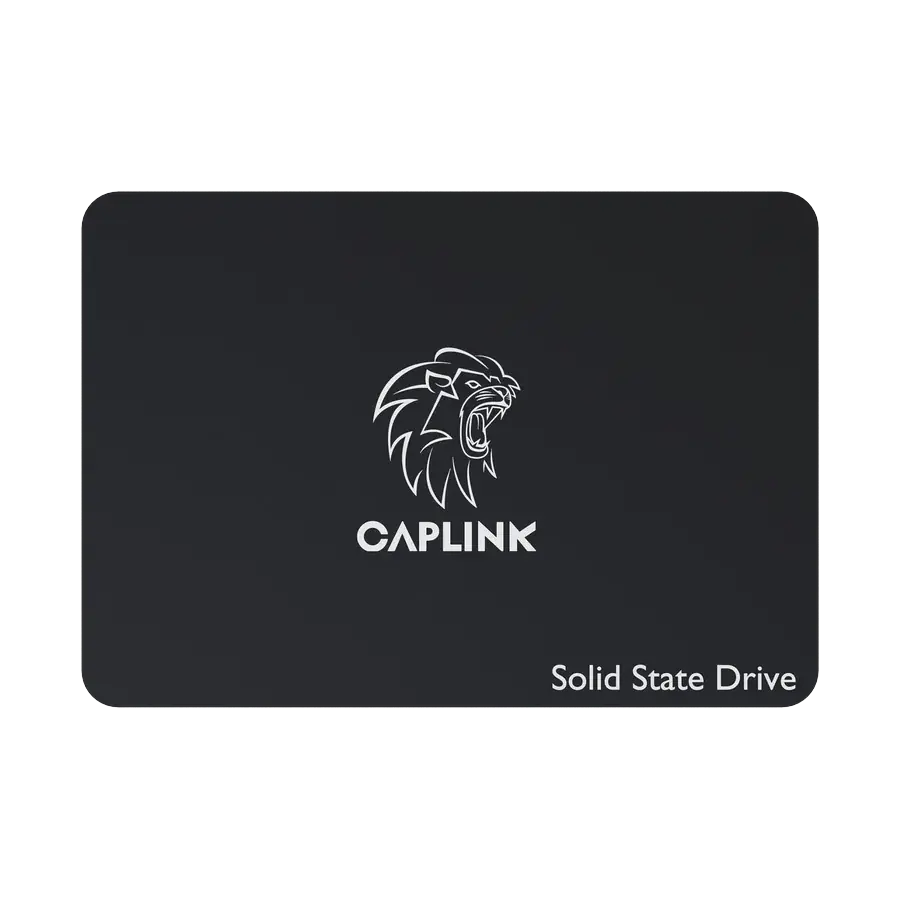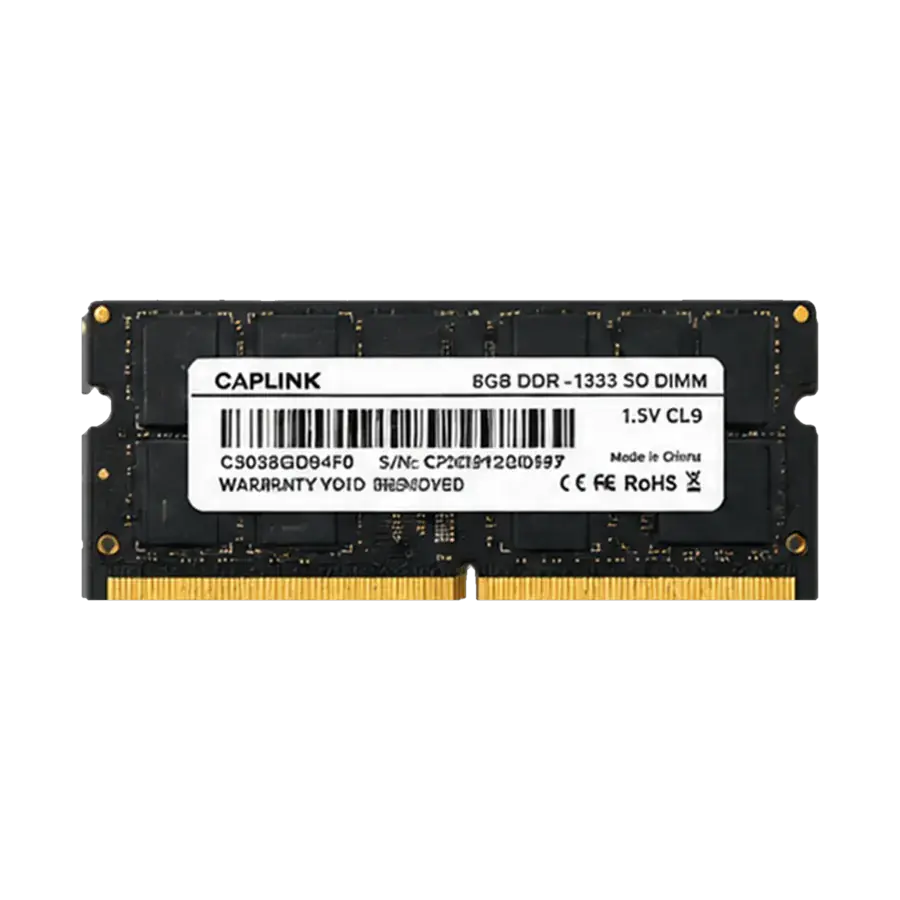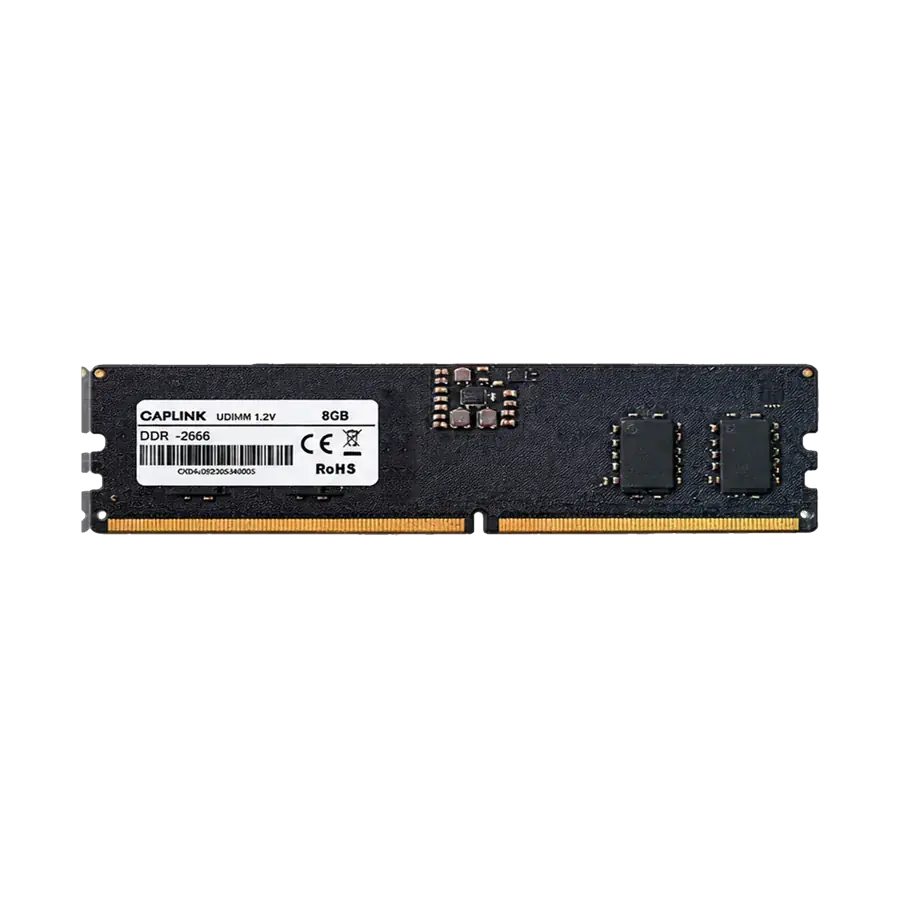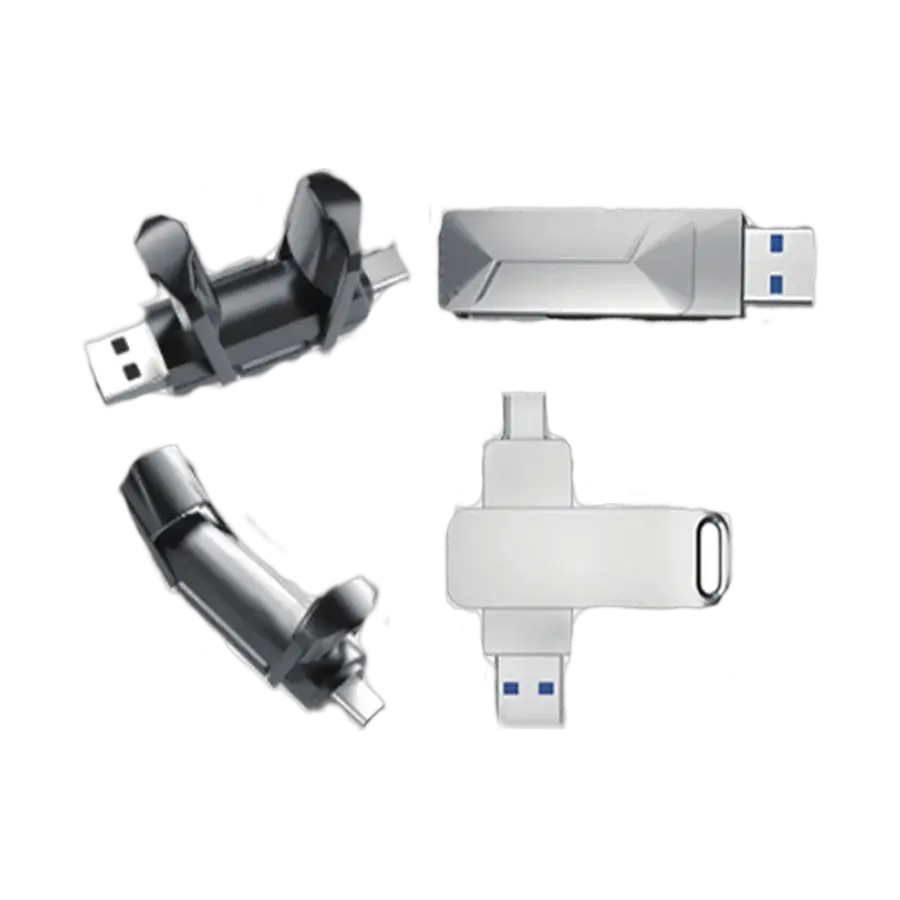
Private label memory and storage is one of the fastest ways for distributors and online sellers to build a brand: the hardware comes from a factory, the brand and packaging are yours. But packaging is also where many first private label orders go wrong — missing importer details, a barcode copied from another product or compliance marks that do not match the market. This guide explains what goes on the box and how to plan it with your factory.
General information, not legal advice. Labelling rules differ by country and change over time; confirm the requirements for your market with a compliance specialist.
Packaging types
| Type | Best for | Notes |
|---|---|---|
| Neutral / bulk (anti-static bag + carton) | System builders, repair shops, refurbishers | Lowest cost; still needs carton labels |
| Blister or clamshell | USB drives, memory cards in retail | Strong shelf display, hang hole |
| Printed paper box | SSDs, RAM, portable SSDs | Most common for e-commerce and retail |
| Gift or premium box | Corporate gifts, high-end portable SSDs | Higher cost, better perceived value |
What goes on the label and box
| Element | Why it matters |
|---|---|
| Brand name and logo | Your trademark — make sure you own or are licensed to use it |
| Product name, model and capacity | Avoid returns; match the listing exactly |
| Key specs (interface, speed, form factor) | e.g. "M.2 2280 NVMe PCIe 3.0 · 1TB · up to 3500 MB/s" |
| Capacity disclosure | e.g. "1 GB = 1 billion bytes; actual usable capacity is less" |
| Importer / brand owner name and address | Required in the EU, UK and many other markets |
| EU responsible person (GPSR) | For goods sold in the EU by non-EU manufacturers |
| Country of origin | "Made in China" — required by customs in many markets |
| Compliance marks | CE, UKCA, FCC, RCM, KC — only those you can support with documents |
| WEEE crossed-out wheeled bin | Electronics sold in the EU/UK |
| Recycling marks | Packaging recycling information where required (e.g. France Triman) |
| Barcode (EAN-13 / UPC-A) | Retail and marketplaces; from your own GS1 prefix |
| Batch / serial number | Traceability for warranty and recalls |
| Warranty statement | e.g. "3-year limited warranty" — match your actual terms |
Compliance marks: only use what you can prove
- CE / UKCA: requires a declaration of conformity and test reports (EMC, RoHS) for the exact product. We supply CE, FCC and RoHS test reports for our products.
- FCC: under the SDoC procedure the logo is optional, but the compliance statement and responsible party in the US are needed.
- RoHS: often requested by retailers; keep the report on file.
- Other markets: Korea (KC), Australia (RCM), India (BIS where applicable) may require local registration in your name.
Market-by-market requirements are covered in our import guide.
Barcodes and marketplace labels
- Join GS1 in your country and assign one barcode per SKU (model + capacity + colour).
- Never reuse a factory or another brand's barcode — marketplaces will reject or suspend listings.
- For Amazon FBA, add the FNSKU label or print it on the box during production.
- Put the barcode on the outer carton as well (ITF-14 or EAN) for warehouse receiving.
Artwork process with the factory
- Choose the packaging type and get the dieline (box template) from the factory.
- Send artwork as AI or PDF (vector), CMYK, with fonts outlined; logos also as PNG.
- Approve a digital proof, then a physical pre-production sample.
- Confirm label text for every capacity — one wrong capacity label creates hundreds of returns.
- Lock artwork version and BOM in writing for repeat orders.
Typical OEM lead time is 12–20 working days including artwork confirmation; see OEM & private label.
Product-specific tips
- SSDs and RAM: show compatibility clearly ("for laptops — SODIMM", "M.2 2280 NVMe"), because wrong-format purchases are the main return reason. See SODIMM vs UDIMM.
- USB drives and memory cards: state real capacity and speed class; avoid "up to" claims you cannot back up. Logo printing options are in our custom USB guide.
- Portable SSDs: show the USB standard needed for full speed (e.g. USB 3.2 Gen 2×2) and include the right cable.
Summary
Good private label packaging tells the buyer exactly what the product is, carries the importer details and only the compliance marks you can support, and uses barcodes you own. Plan the artwork, proof and sample stages into your schedule, and lock both artwork and BOM for repeat orders. Ask us for packaging options and dielines for your products.