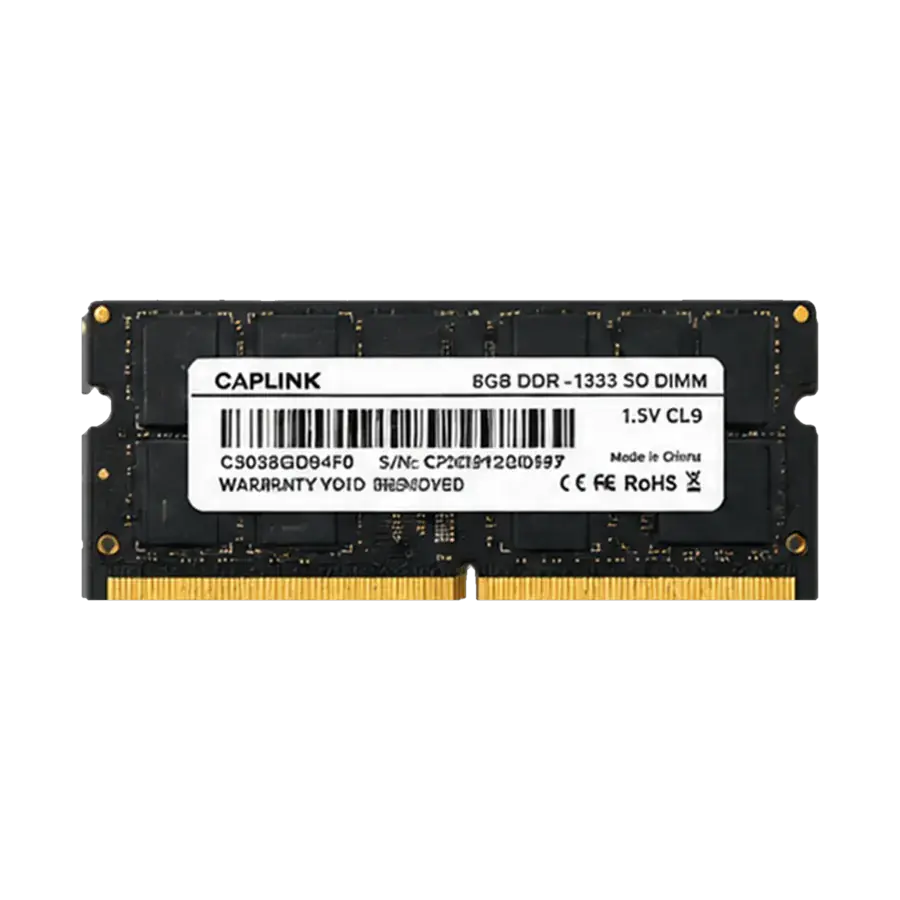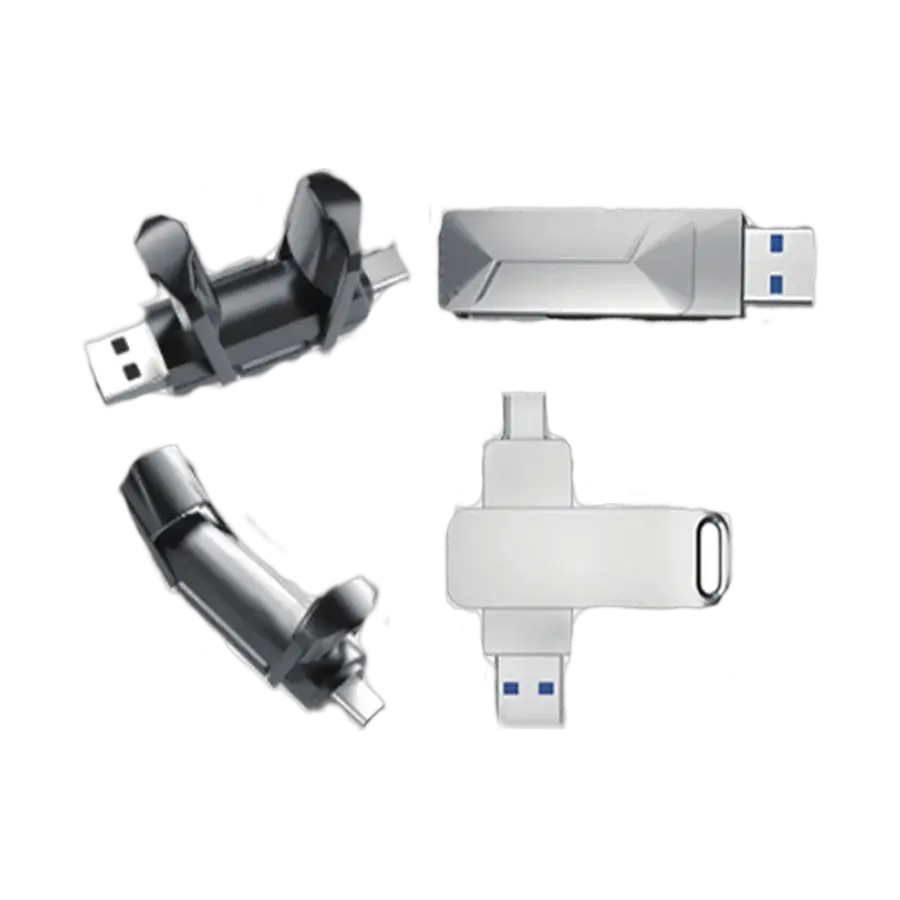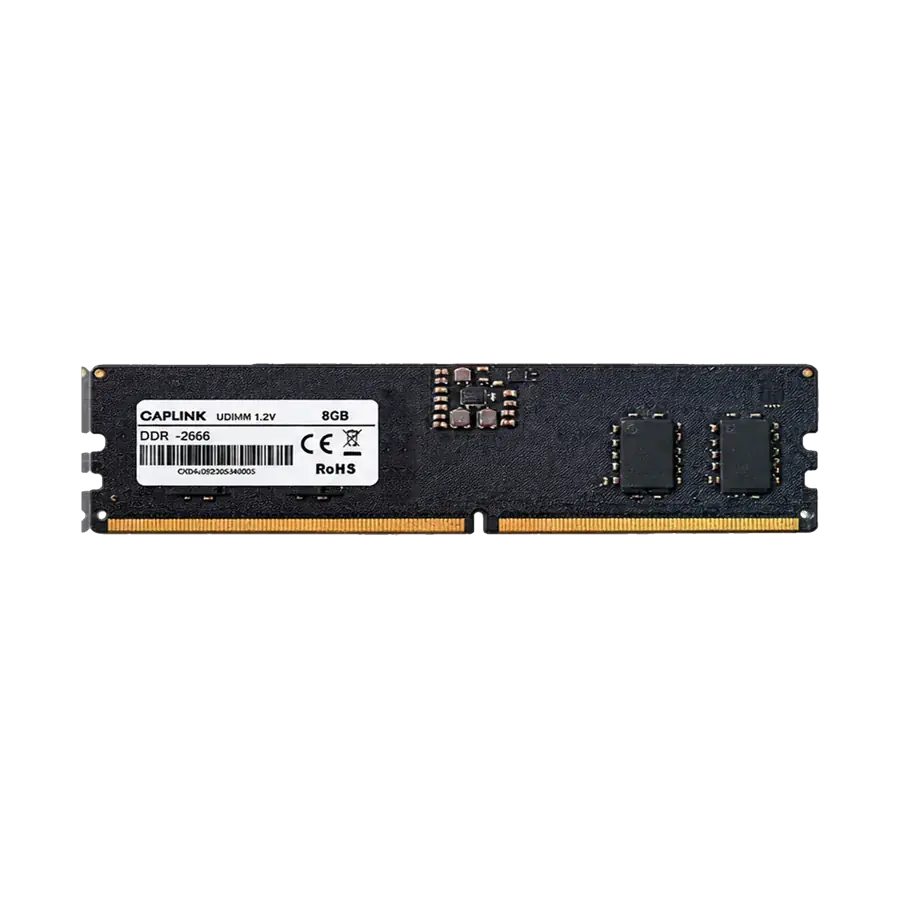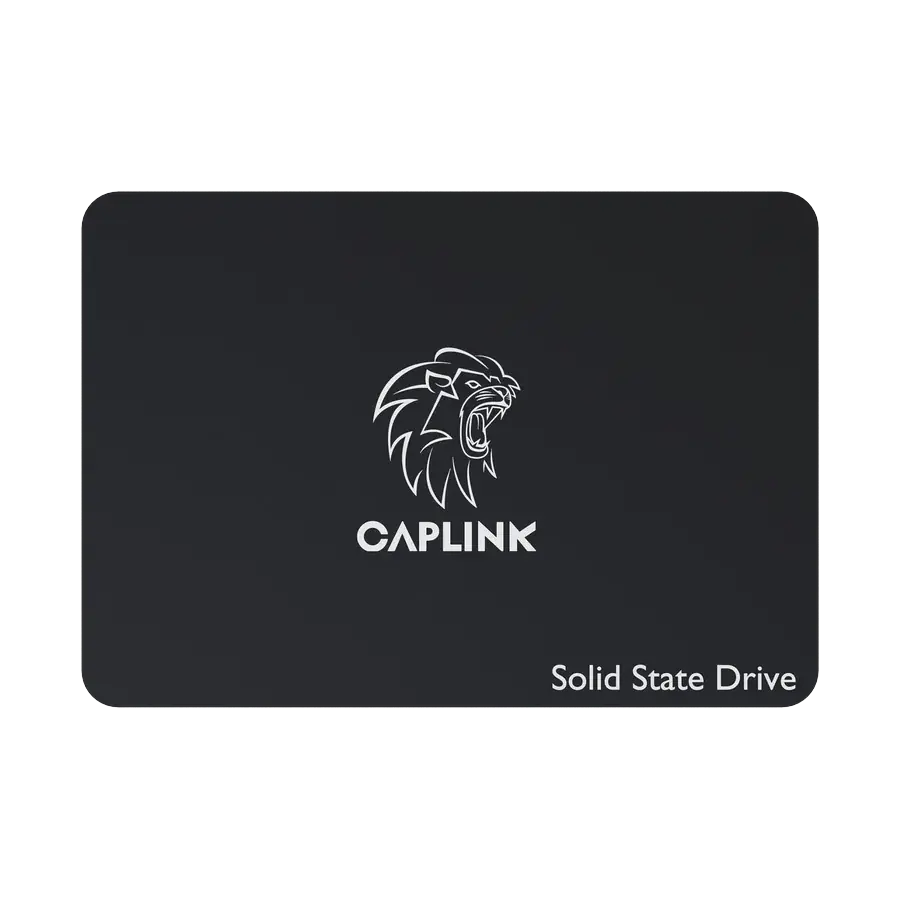
Memory and storage products are among the easiest electronics to import: they are small, light, high-value and contain no batteries. Most problems buyers run into are not about the products but about paperwork — the wrong shipping term, an unclear HS code or missing compliance documents. This guide walks through the process step by step.
This guide is general information, not legal or tax advice. Customs rules and tariffs change frequently; confirm the details for your country with a licensed customs broker.
Step 1: Choose the shipping term (Incoterms)
| Term | What we do | What you do | Best for |
|---|---|---|---|
| EXW | Pack goods at the factory | Pick-up, export clearance, freight, import | Buyers with a strong China-based agent |
| FOB Shenzhen | Deliver to the port/airport and clear export | Freight, insurance, import clearance | Buyers with their own forwarder |
| CIF | FOB plus freight and insurance to your port | Import clearance, duties, local delivery | Sea or air shipments to a named port |
| DDP | Everything to your door, duties and taxes included | Receive the goods | Small and medium orders, first orders |
For a first order, DDP by express or air is usually the simplest; for regular volume, FOB with your own forwarder gives the most control over cost.
Step 2: Choose the transport mode
| Mode | Typical transit | Best for |
|---|---|---|
| Express (DHL, FedEx, UPS) | 3–7 days | Samples, urgent orders, up to about 100–200 kg |
| Air freight | 7–15 days | Regular orders of several hundred kg |
| Sea freight (LCL / FCL) | 15–45 days | Very large volumes and mixed containers |
Because memory and storage are high value for their weight, air and express are often the most economical overall once you count the cost of capital tied up in transit. Always insure shipments for their full value.
No batteries, no dangerous goods: RAM, SSDs, portable SSDs, memory cards, eMMC and USB drives contain no lithium batteries, so they ship as normal cargo — a real advantage over power banks and other battery products.
Step 3: Classify the products (HS codes)
HS codes decide the duty rate and which rules apply. The first six digits are international; countries add further digits. The codes below are commonly used, but classification is the importer's responsibility — confirm with your broker.
| Product | Commonly used HS code (6-digit) |
|---|---|
| DDR memory modules (SODIMM / UDIMM) | 8473.30 — parts and accessories of computers |
| SSDs (2.5", M.2, mSATA) | 8471.70 — storage units (some countries use 8523.51) |
| Portable SSDs | 8471.70 or 8523.51 |
| USB flash drives, SD / microSD cards | 8523.51 — solid-state non-volatile storage devices |
| eMMC chips | 8542.32 — memories (electronic integrated circuits) |
Use the same code and a clear product description ("2.5-inch SATA solid state drive, 1TB") on every document.
Step 4: Estimate duties and taxes
- Customs duty: many countries apply 0% or low duty to computer storage and parts under the WTO Information Technology Agreement (ITA).
- Additional tariffs: some countries apply extra duties on goods of Chinese origin, and these have changed repeatedly in recent years — check the rate that applies on your shipping date.
- Import VAT / GST: payable in most countries on the goods value plus freight (and duty), and usually reclaimable for VAT-registered businesses.
- Brokerage and handling fees: charged by the courier or broker; ask for them upfront on DDP quotes.
Step 5: Make sure the products are compliant
Requirements depend on where you sell. The most common for memory and storage:
| Market | Typical requirement | Notes |
|---|---|---|
| European Union | CE marking (EMC + RoHS), WEEE registration, EU responsible person | Under GPSR, products sold in the EU need an EU-based economic operator on the label or listing |
| United Kingdom | UKCA or CE marking, WEEE | Similar to EU rules with UK addresses |
| United States | FCC Part 15 (SDoC) | Some retailers also ask for RoHS reports |
| South Korea | KC certification | Required for many electronics sold to consumers |
| India | BIS registration may apply | Check whether your product is on the compulsory list |
| Australia / NZ | RCM marking | Supplier registration needed |
| Japan | VCCI (voluntary) | Often requested by retailers |
We supply CE, FCC and RoHS test reports and ISO 9001 certification with our products, and can support additional certifications for specific markets on request. Private label orders must carry the compliance marks and importer details for the market you sell in — plan this into your artwork (see OEM & private label).
Step 6: Prepare the documents
- Commercial invoice — seller, buyer, Incoterm, HS codes, unit values, currency, country of origin.
- Packing list — cartons, quantities, net and gross weights, dimensions.
- Air waybill or bill of lading — issued by the carrier.
- Certificate of origin — and a preferential certificate where a trade agreement applies (for example Form E for ASEAN countries or an RCEP certificate), which can reduce or remove duty.
- Compliance documents — CE/FCC/RoHS reports, declarations of conformity.
- Brand authorization — for private label goods, proof that you own or are licensed to use the brand.
Step 7: Packaging and receiving
- Modules and drives travel in anti-static packaging inside strong export cartons; ask for moisture-proof sealing for sea freight.
- Mark cartons with model, capacity, quantity and batch number for fast receiving.
- On arrival, inspect carton condition, count units, and test a sample from each batch for capacity and speed before releasing stock — see how to spot fake SSDs and memory cards for a quick test routine.
Common import mistakes
- Undervaluing the invoice to cut duty — leads to seizures and fines.
- Vague descriptions such as "electronic parts" — cause inspections and delays.
- Selling without compliance marks or EU representative — marketplaces delist products.
- Using a brand you do not own — counterfeit goods are seized at the border.
- No insurance on high-value shipments.
Summary
Memory and storage are battery-free, compact and usually low-duty, which makes them straightforward to import — as long as the shipping term, HS codes, compliance marks and documents are right. Start with DDP for your first order, move to FOB with your own forwarder as volume grows, and keep compliance documents on file for every model. For the sourcing side, read our OEM SSD sourcing guide; for product choice, see SODIMM vs UDIMM and how long SSDs last. Ask us for a DDP or FOB quotation for your market.