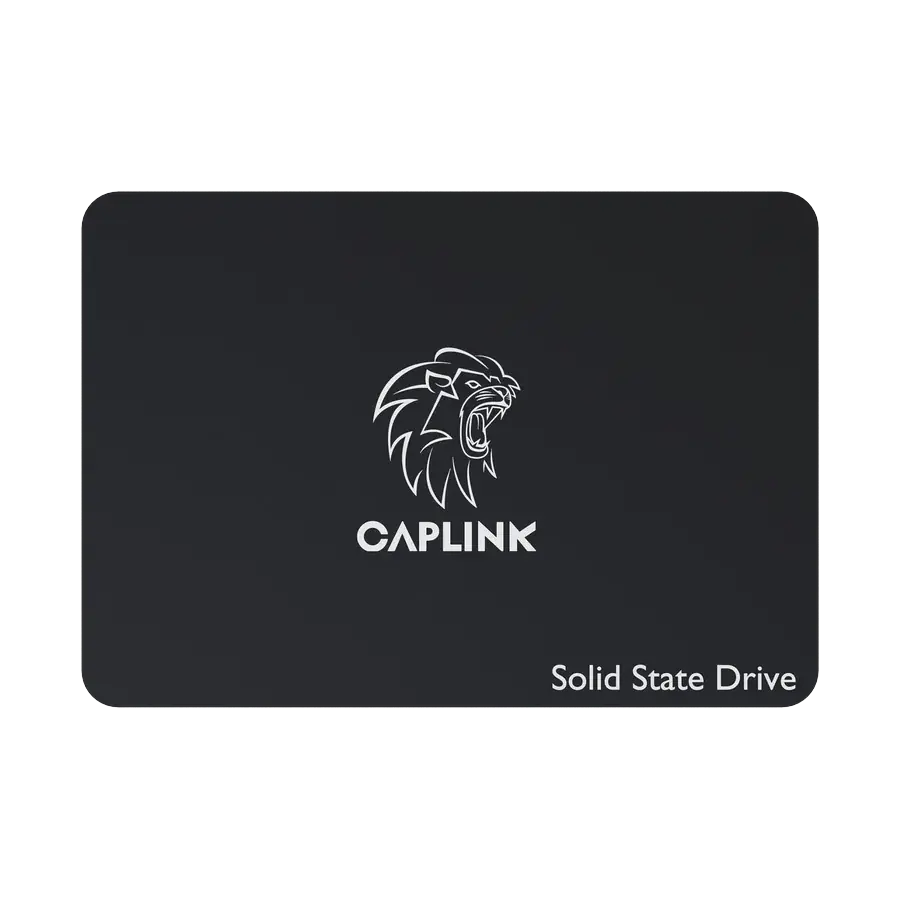
Building your own SSD, memory or USB brand does not require your own factory — but it does require a clear specification and a supplier that keeps it stable. This guide walks through the process we use with private label customers.
1. Define the product, not just the price
Write a one-page specification for every SKU:
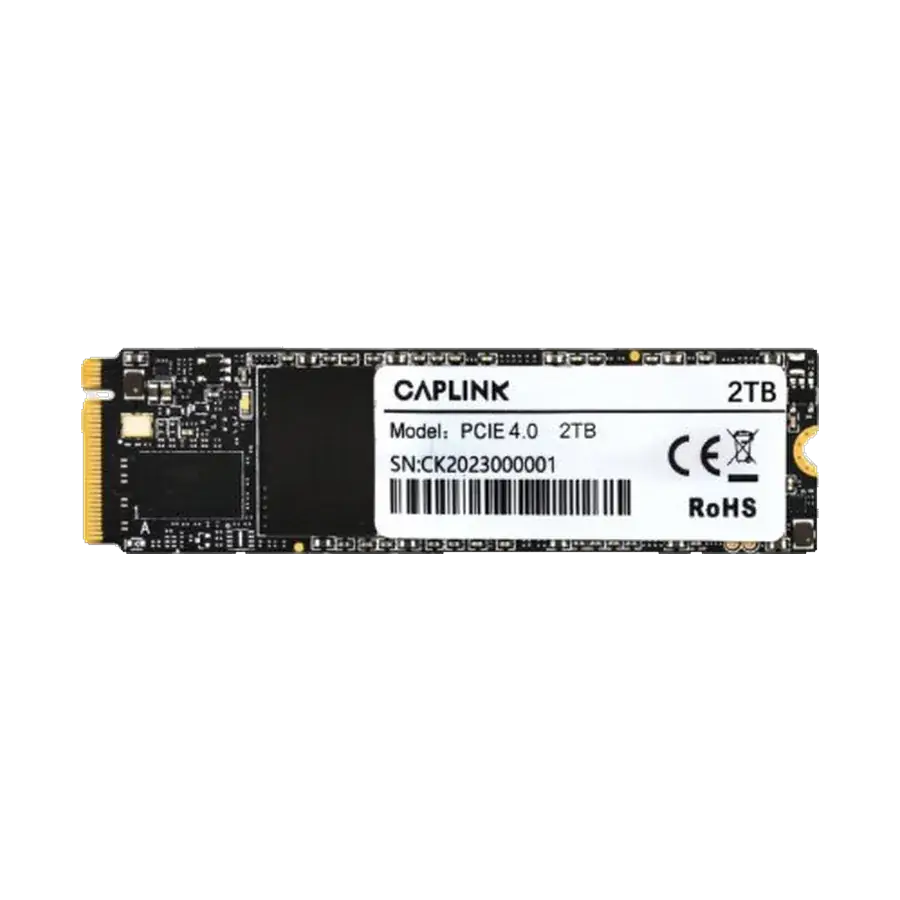
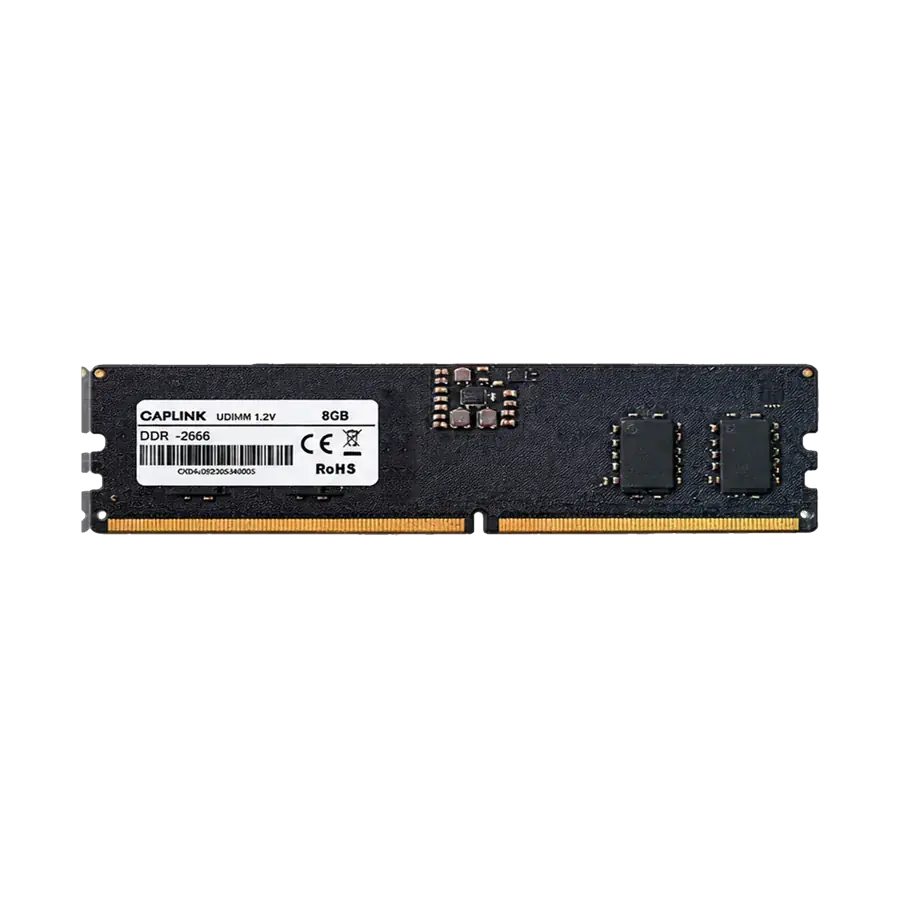
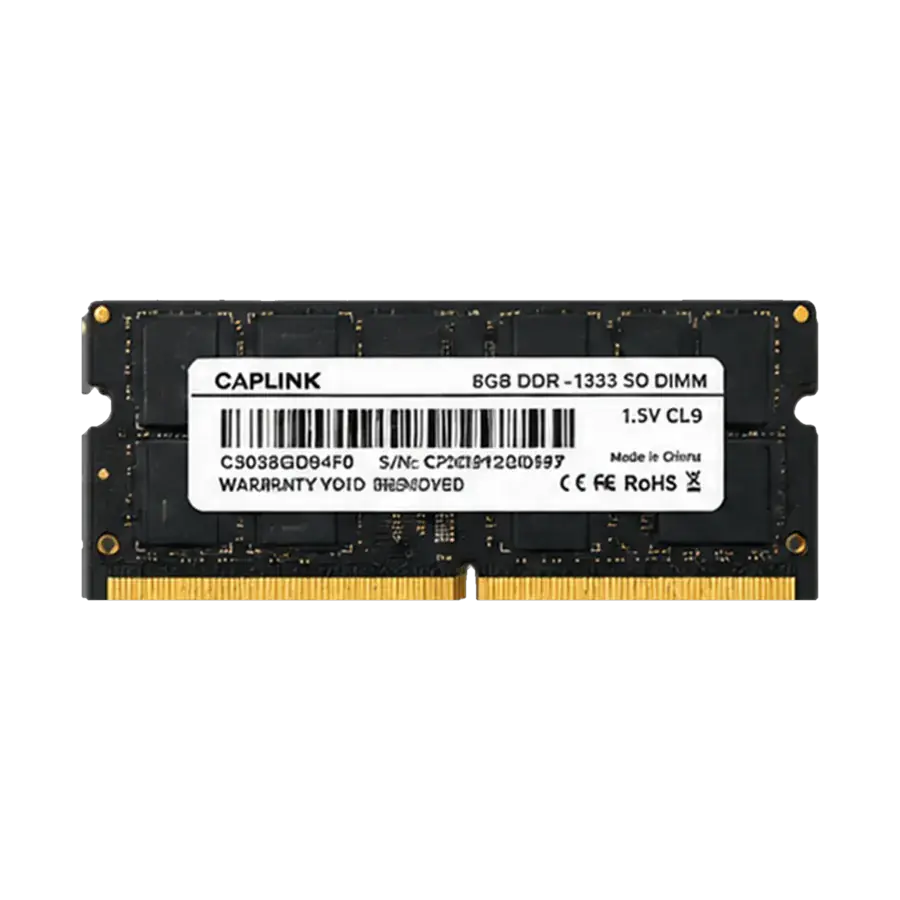
- Product type and form factor: e.g. M.2 2280 NVMe PCIe 4.0, 2.5" SATA, portable SSD, DDR5 SODIMM.
- Capacities and the share of each in your first order.
- Performance targets: sequential read/write, and if it matters, sustained write.
- NAND type: 3D TLC or QLC (see TLC vs QLC).
- DRAM cache or HMB, controller preference if any.
- Warranty period you will offer your customers.
- Target markets — this decides certifications and packaging language.
A clear spec makes quotations comparable and prevents "same name, different inside" surprises.
2. Ask for a quotation with the BOM
A useful quotation lists the controller, NAND type and source, DRAM (if any), PCB, and the exact capacity/performance per SKU — not just "512GB SSD $X". Ask whether the bill of materials can be locked for repeat orders. A locked BOM is the single biggest factor in keeping return rates stable over time.
3. Test samples properly
Order samples of every capacity you plan to sell and test:
| Test | Tool examples | What you learn |
|---|---|---|
| Real capacity | H2testw, f3 | No fake or overstated capacity |
| Speed | CrystalDiskMark, ATTO | Peak sequential/random performance |
| Sustained write | Large file copy (50–100 GB) | SLC cache size and post-cache speed |
| Health data | CrystalDiskInfo | Firmware, SMART attributes, model string |
| Compatibility | Your customers' main laptops/boards | Detection, sleep/wake, boot |
Samples typically take 3–5 business days; sample cost is refundable against the bulk order.
4. Prepare artwork and packaging
For private label you can customise:
- Product label (logo, model name, capacity, compliance marks)
- Firmware model string shown in the OS and in diagnostic tools
- Retail box, blister or gift packaging, inserts and manuals
- Barcodes / SKU codes for your warehouse or marketplace
Branding lower-priced products too? The same process applies to flash drives and cards — see our guides to custom logo USB flash drives and portable SSDs.
Send vector files (AI/PDF). We return a digital proof and, for new packaging, a physical sample for approval. Compliance marks (CE, FCC, RoHS) should only appear on products that hold the matching reports — we provide them for our range.
5. Production and quality control
After artwork approval, production takes 12–20 business days for private label orders (7–12 for standard products). Agree in advance on:
- Incoming inspection of NAND, DRAM and controllers
- Aging / burn-in duration (our standard is 48 hours)
- Final random inspection level (AQL) and what happens if a batch fails
- Batch numbers printed on labels for traceability
You can also send a third-party inspector before shipment. Details of our checks are on the quality control page.
6. Payment, shipping and documents
Standard terms are 30% deposit and 70% before shipment (T/T); smaller orders can use PayPal or Western Union. We ship by express (3–7 days), air freight (7–15 days) or sea (15–45 days) on FOB Shenzhen, CIF or DDP terms, with commercial invoice, packing list, test reports and certificate of origin on request.
Private label checklist
- One-page spec per SKU
- Quotation with BOM, TBW and warranty
- BOM lock agreed for repeat orders
- Samples tested for capacity, speed, sustained write and compatibility
- Artwork proof and packaging sample approved
- QC plan and AQL agreed
- Shipping term, documents and certifications confirmed
Summary
Private label success comes from specification discipline and BOM stability, not from the lowest first quote. Start with a clear spec, test samples like your customers will use the product, and lock the BOM before you scale. See our OEM & private label services or request a private label quotation.