Two SSDs with the same capacity, interface and headline speed can behave very differently after a few months of use. The main reason is the NAND flash inside. For buyers, the practical choice today is between 3D TLC and 3D QLC.
What TLC and QLC actually mean
Each NAND cell stores data as a charge level:
- TLC (triple-level cell) stores 3 bits per cell → 8 charge levels.
- QLC (quad-level cell) stores 4 bits per cell → 16 charge levels.
Packing more bits into each cell makes QLC cheaper per GB, but the charge levels are closer together. That makes cells slower to write and lets them tolerate fewer program/erase (P/E) cycles.
TLC vs QLC compared
| 3D TLC | 3D QLC | |
|---|---|---|
| Bits per cell | 3 | 4 |
| Typical P/E cycles | ~1,000–3,000 | ~300–1,000 |
| Endurance (TBW) at the same capacity | Higher | Lower |
| Sustained write after the SLC cache is full | Steady | Can drop sharply |
| Cost per GB | Medium | Lowest |
| Best for | System drives, business, industrial, gaming | Read-heavy storage, budget PCs, large-capacity media drives |
The SLC cache effect
Both TLC and QLC SSDs use part of their NAND as a fast SLC cache. Short bursts of writing hit the cache at full speed. Once a long copy fills the cache, the drive writes directly to TLC or QLC cells — and that is where QLC drives can slow down dramatically, sometimes below hard-disk speeds on budget models. TLC drives slow down too, but far less.
This is why two drives both advertised "up to 3,500 MB/s" can feel very different when a customer copies a 100 GB folder.
Which NAND type to source
| Use case | Recommended |
|---|---|
| Operating-system drives for laptops and desktops | TLC |
| Business / office fleets with warranty obligations | TLC |
| Industrial PCs, kiosks, POS, surveillance | TLC (fixed BOM) |
| Gaming and content creation | TLC |
| Budget PCs and education laptops | TLC or QLC |
| Secondary / archive drives, large media libraries | QLC |
| eMMC for low-cost tablets and TV boxes | TLC or QLC depending on price target |
As a rule of thumb: if the drive will be written to heavily or carries your brand's warranty, choose TLC. Choose QLC when cost per GB matters more than sustained write performance.
Questions to ask your supplier
- Which NAND type and which NAND manufacturer are used for this exact model and capacity?
- What is the TBW rating for each capacity?
- DRAM cache or HMB? DRAM-less drives are cheaper but rely on host memory buffer; fine for light use, weaker under heavy random workloads.
- Will the BOM stay the same for repeat orders, or can NAND and controller change between batches?
- Can you share a sustained-write test (for example a 50–100 GB copy) rather than only peak sequential numbers?
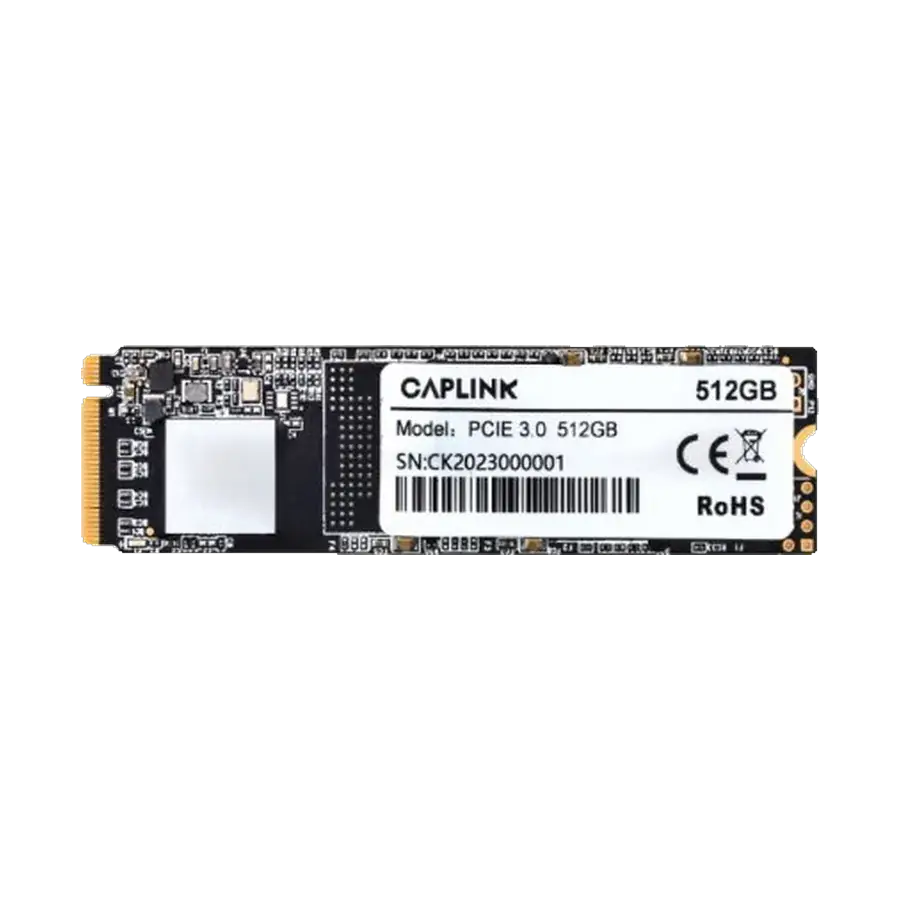
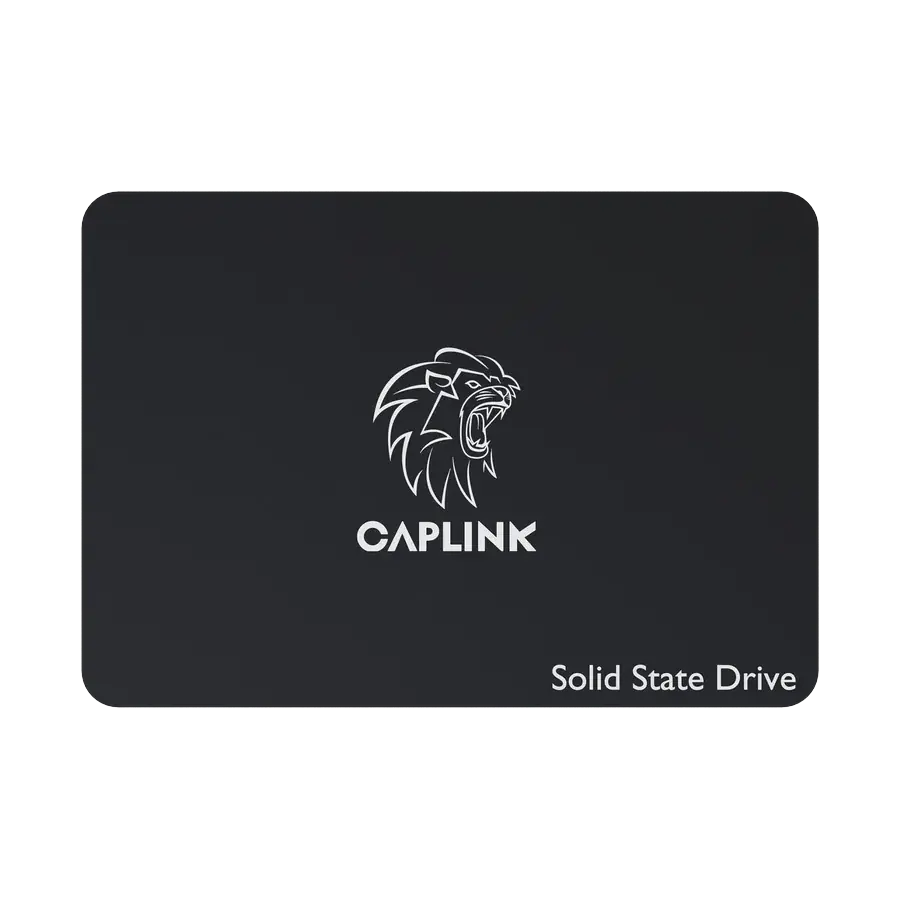
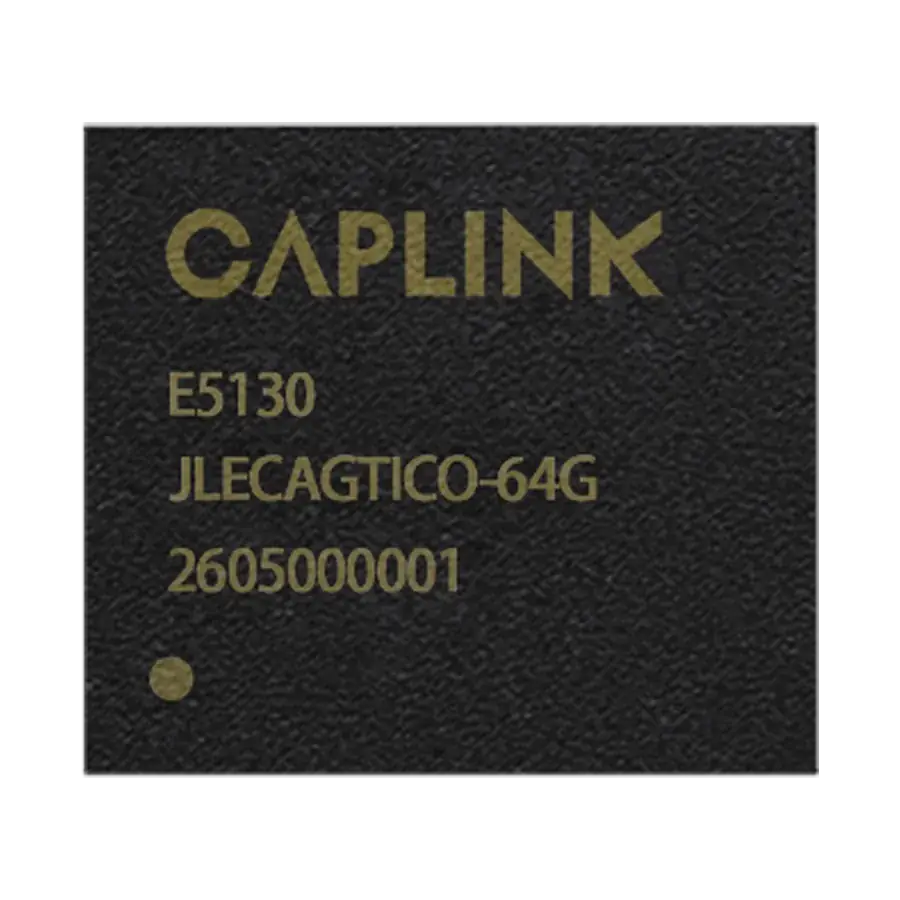
Our standard M.2 NVMe and 2.5" SATA SSDs use 3D TLC. Our eMMC 5.1 is available in both TLC and QLC configurations, so device makers can balance cost and endurance.
Summary
TLC is the safe default for anything that carries an operating system, a business workload or your own brand. QLC is a valid, cheaper option for read-mostly and high-capacity products — as long as the listing does not promise sustained performance it cannot deliver. Send us your use case and we will recommend the NAND type and TBW level that fit your price target.