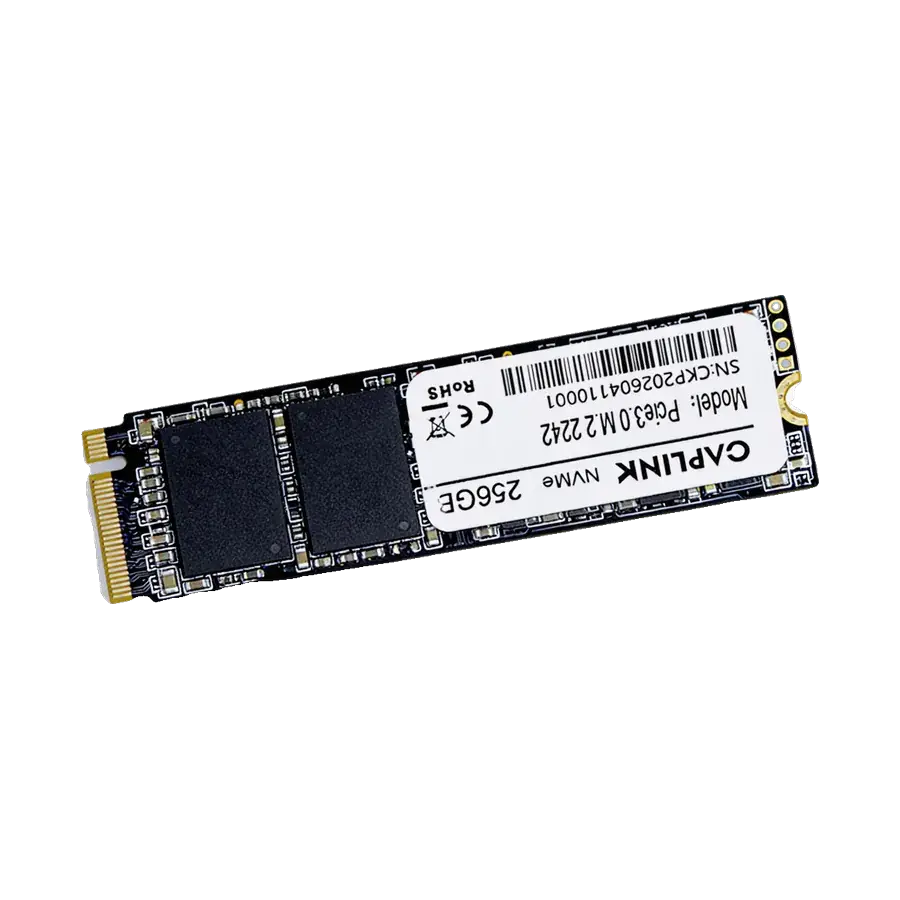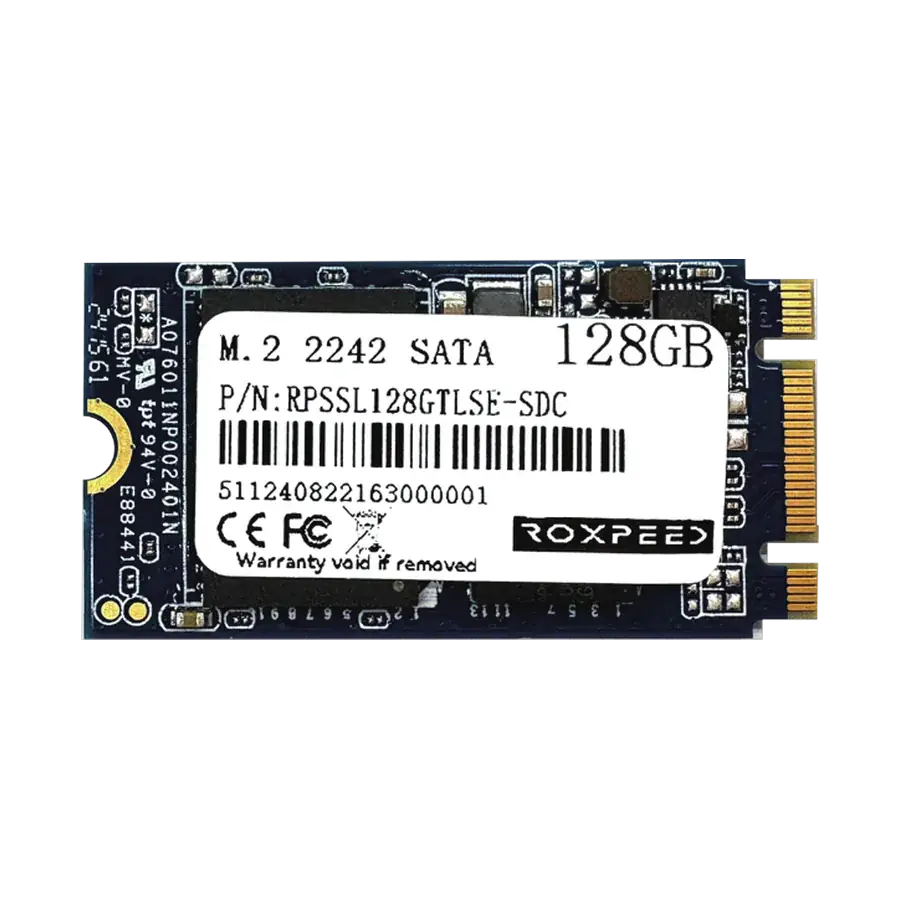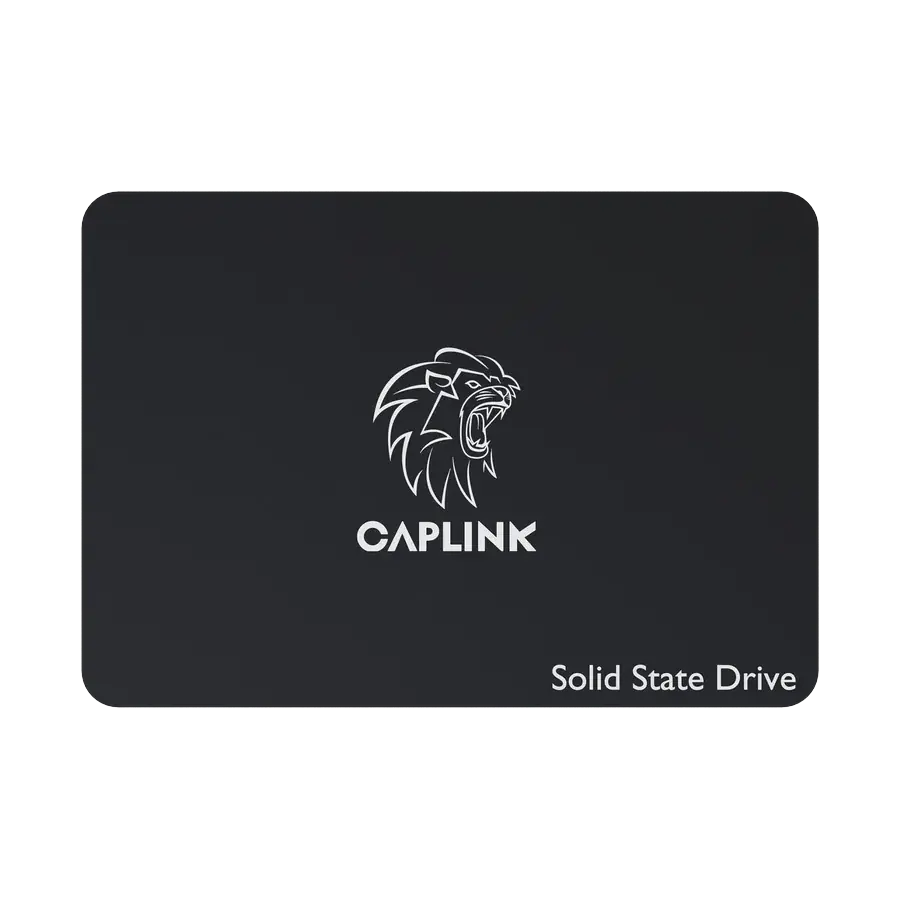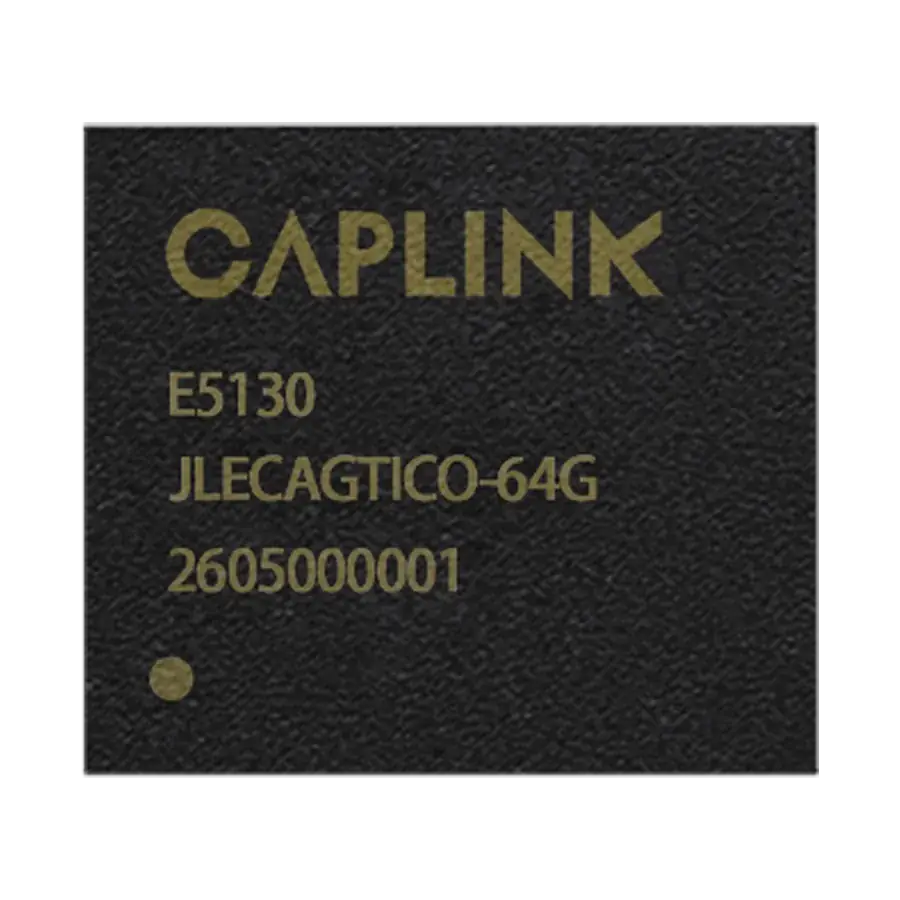
When you design or source a tablet, TV box, POS terminal, smart speaker, dashcam or industrial controller, the storage choice affects bill-of-materials cost, board size, boot speed and product lifetime. The three realistic options are eMMC, UFS and a small M.2 SSD.
Quick comparison
| eMMC 5.1 | UFS (2.x / 3.x / 4.x) | M.2 SSD (2242 / 2280) | |
|---|---|---|---|
| Packaging | BGA chip soldered to PCB | BGA chip soldered to PCB | Removable module |
| Interface | 8-bit parallel, HS400 | Serial (MIPI M-PHY), full duplex | SATA III or PCIe NVMe |
| Max interface speed | ~400 MB/s | ~1.2 GB/s (UFS 2.1) to ~4 GB/s+ (UFS 4.0) | ~550 MB/s (SATA) to 7,000 MB/s (PCIe 4.0) |
| Typical capacities | 8–128 GB | 64 GB–1 TB | 128 GB–2 TB+ |
| Relative cost | Lowest | Medium | Medium–high |
| Board space | Smallest | Small | Needs M.2 socket |
| Field replacement | No | No | Yes |
| Typical devices | TV boxes, budget tablets, POS, IoT, car units | Smartphones, premium tablets | Mini PCs, industrial PCs, thin clients, handhelds |
When eMMC is the right choice
eMMC is still the most cost-effective storage for devices that boot an OS and run a few apps but do not move large files constantly:
- Android TV boxes and set-top boxes
- Entry and mid-range tablets, education devices
- POS terminals and handheld scanners
- Smart speakers, displays and home appliances
- Car infotainment and multimedia terminals
- Surveillance and recording devices with moderate write loads
Our eMMC 5.1 delivers up to 300 MB/s write / 200 MB/s read in 32 GB and 64 GB, with health monitoring, wear-leveling, ECC and garbage collection — the features that keep embedded storage reliable over years of use.
When to move to UFS
Choose UFS when the device needs phone-class performance: fast app launches, high-resolution camera recording, or large games. UFS requires an SoC that supports it and usually costs more per GB than eMMC.
When an M.2 SSD makes more sense
If the device runs Windows or full Linux, needs more than 128 GB, or must allow storage replacement in the field, use an M.2 SSD socket. Short M.2 2242 NVMe or M.2 2242 SATA drives fit compact boards and are easy to service.
Endurance and NAND type
Embedded devices often stay in service for 5+ years. For write-heavy designs (logging, recording, caching), choose TLC NAND and size the capacity with headroom — more free space means more room for wear-leveling. QLC eMMC is fine for read-mostly devices where cost is the priority. See our TLC vs QLC guide for details.
Sourcing checklist for embedded storage
- Confirm the SoC's supported interface (eMMC vs UFS) and package size (e.g. 11.5 × 13 mm BGA).
- Ask for the datasheet, reliability data and health-report support.
- Agree on a fixed part number and BOM for the life of your product, plus notice before end-of-life.
- Run validation on your board (boot, OTA updates, power-loss tests) before mass production.
- Plan buffer stock for long production runs.
Summary
For most cost-sensitive smart devices, eMMC 5.1 remains the best balance of price, size and reliability. Move to UFS for phone-class performance and to an M.2 SSD when you need high capacity, a full desktop OS or replaceable storage. Send us your board's requirements for eMMC samples and a quotation.